
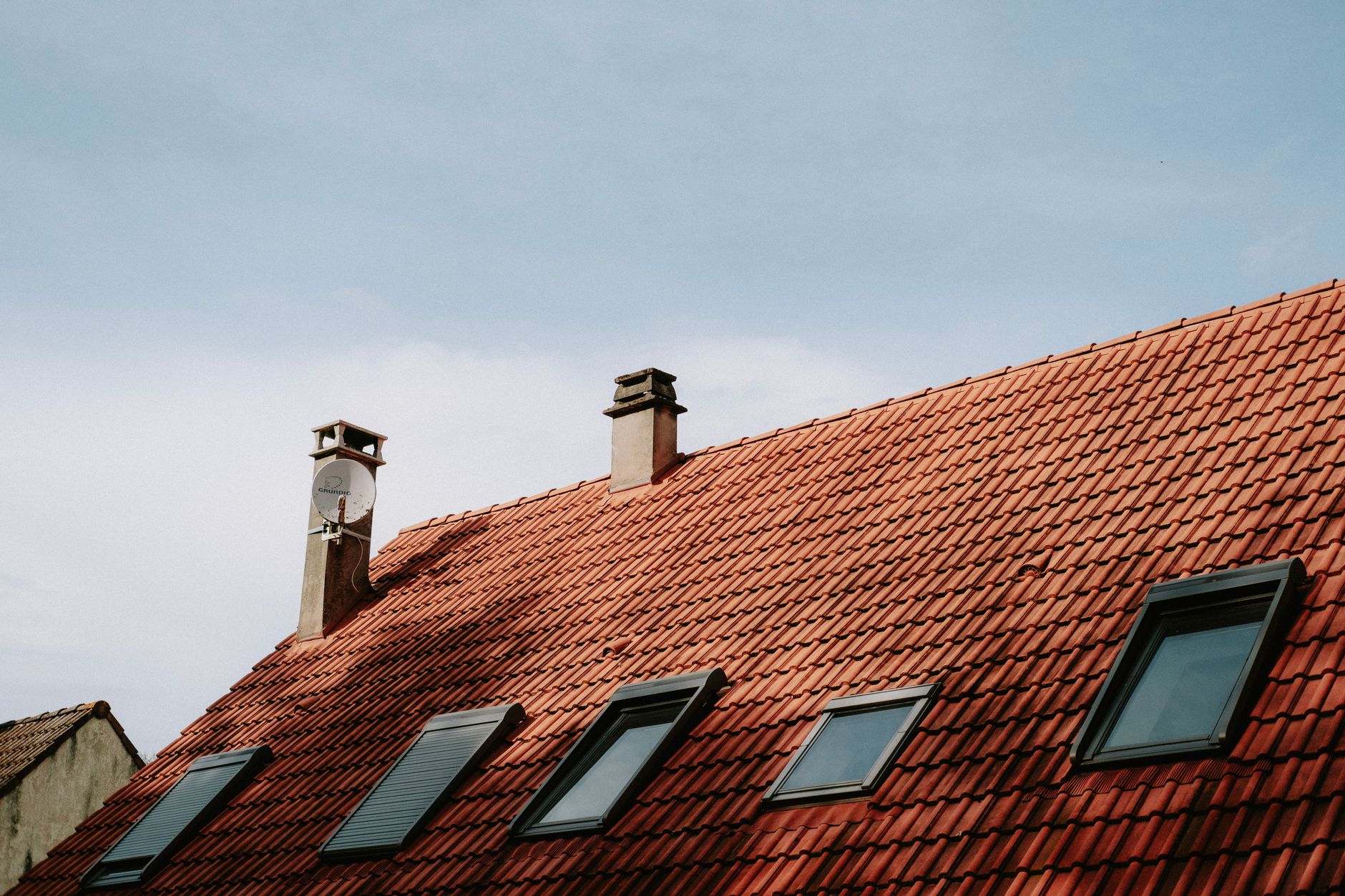
Gas Fireplace Repair for Gardena Homes
Have a Mason Look
Tell us what the chimney is doing and where. The office calls back to set a visit with a mason.
What the Job Covers
A gas fireplace that will not light usually has one failed part: the thermocouple, the thermopile, the valve, the igniter or the receiver. We test each with a meter before ordering anything. We also check the firebox and the brick around the unit, because a flame that has rolled out for a season can crack the facing. Repairs are quoted in writing with the parts named.
Why Gas Fireplaces Stop Working
Every gas fireplace has a safety chain between the flame and the valve, and most faults are a weak link in it. On a standing pilot unit, the pilot flame heats a small sensor, which produces a tiny voltage that holds the gas valve open. When that sensor wears or the pilot flame shrinks from dust, the voltage falls off, the valve shuts, and releasing the knob leaves the pilot dark. Newer units skip the standing pilot: a spark or a hot surface lights the burner and a flame sensor confirms it; a coated sensor tells the board there is no flame and the board cuts the gas. Vent-free sets carry one more guard at the pilot, tuned to trip when oxygen in the room falls. Then there are the wall switch, the remote receiver and its batteries, the valve itself, and the gas supply. Each has its own test, and we work through them before buying anything.
The fix is usually small: a fresh sensor, a pilot hood cleared of dust or swapped, a new igniter, a receiver that has failed, or a valve that no longer holds. Parts for the common brands are standard and we carry the usual ones. Some units from the seventies and eighties, especially those built into masonry fireplaces, take parts nobody makes now; when that is the case you hear it before money goes into a workaround. There is also the masonry side. A gas unit set into a brick fireplace vents through the old flue or through a liner inside it, and a blocked cap, a fallen tile or a nest can make the unit spill exhaust or shut itself down on its safety switch. When the parts test fine and the fault persists, we look at the chimney. A gas smell is a different matter: get everyone outdoors, phone the gas company once you are clear of the house, and book us after they have dealt with the line.
Repair or Replace the Unit
The choice comes down to the box. A gas fireplace or insert whose firebox, glass and venting are sound is worth repairing almost whatever the part, because the part is cheap next to the unit. One whose firebox has rusted through, whose glass is cracked and no longer made, or whose maker has left the market is a harder call. In that case we price both: the repair as far as it can go, and a replacement. Swapping a worn unit for a new gas insert inside the current brick opening comes to $2,700 to $5,450 with us; a new direct-vent unit framed into a wall with no fireplace runs $4,350 to $8,750. Those figures cover the unit, the venting and the finish trim, and where a job falls depends on the size of the unit and how far the gas line and venting have to run. A repair is nearly always a fraction of that.
Masonry decides some of these jobs. A gas insert set into an old brick fireplace needs a sound firebox to sit in and a liner run up the flue, and if the flue tile is cracked or the crown is failing, those are repaired before the insert goes in, or the new unit inherits the old faults. When we repair or replace a gas unit in a masonry fireplace, we look at the firebox joints, the smoke chamber and the top of the chimney, and the note tells you if any of them needs work. On factory-built metal fireplaces in newer South Bay condos and tract homes there is no masonry to check, but the metal chimney and its cap get the same look. Before we finish any repair, the unit runs through a full start and shutdown, the fittings are leak tested, and the room air is checked for carbon monoxide. You get a written note naming the part we replaced and why it failed.
The Nugent Chimney Care Way of Working
Mortar Tested
Old joints scratched before a mix is chosen
Brick Matched
Replacement units picked for size and tone
Quote on Paper
Each repair priced before work begins
Photos at the End
Finished joints and crown photographed for you
Where we do gas fireplace repair
Pick a city to read how its houses, brick and weather shape this job there.
CA
Gas Fireplace Repair in Gardena
Our trowels start here. Gardena's 1950s and 1960s houses mostly wear a brick or block chimney, often with gas logs put in years later, and we strike every repointed joint to the profile the original mason left.
Open the city pageCA
Gas Fireplace Repair in Compton
A chimney laid by hand in the 1920s, 30s or 40s, as many here were, tends to lose its lime mortar to sand while the brick stays sound. We grind those joints out and refill with a softer mix so the mortar, not the brick, takes the movement.
Open the city pageCA
Gas Fireplace Repair in Inglewood
Renters outnumber owners, and much of the apartment stock is postwar. Where an older house here has a hearth, the flue is nearly always brick, and before relaying a loose cap course we match each replacement brick for size, texture and fired color.
Open the city pageCA
Gas Fireplace Repair in Manhattan Beach
Cottages from the years after 1900 still sit in the Sand and Hill areas, while a lot of Tree Section and East Manhattan homes have grown or been replaced. When a remodel adds height, we key new brick into the old bond so the stack stays one masonry unit.
Open the city pageOther Masonry and Chimney Jobs
Chimney Sweep
Soot and glaze lifted off the flue tiles, with a mason's eye on every joint the brush passes on its way up.
Read moreChimney Inspection
A mason's read of the stack: brick faces, mortar joints, crown, flue tiles and cap, written up with photos.
Read moreChimney Repair
Mortar, brick, crown and flue tile repairs matched to the original materials, so the patch does not turn into the next failure.
Read moreFireplace Inspection
Firebox brick, refractory joints, damper frame, smoke chamber and hearth examined from the room, with photo notes.
Read moreFireplace Repair
Firebrick relaid, refractory joints renewed, hearths reset and smoke chambers parged, using heat-rated materials throughout.
Read moreChimney Level 2 Inspection
Recorded footage of each flue joint plus the brick in the attic and on the roof, for sales, quakes, fires and fuel changes.
Read moreChimney Cap Installation
Stainless or copper caps fastened to a sound crown, so the hood keeps water off the tile and the brick beneath it.
Read moreChimney Flashing Repair
Counter flashing set into a fresh saw cut in sound mortar, step pieces woven into the roofing, and the brick above checked for leaks.
Read moreChimney Masonry Repair
Tuckpointing, brick replacement and crown work, with mortar matched to the age and hardness of your brick.
Read moreChimney Rebuilds
Failed stacks taken down to firm masonry and relaid with matched brick, new flue tile and a cast crown.
Read moreFireplace Cleaning
Firebox, hearth and brick face cleaned of ash and smoke staining, with the masonry checked for heat damage as we work.
Read moreGas Fireplace Cleaning
Burner, pilot, logs and glass cleaned on gas units, and the firebox brick or panels behind them looked over.
Read moreFireplace Remodel
Brick, stone and tile surrounds laid by masons, with hearths and mantels set to the clearances your fireplace needs.
Read moreFireplace Inserts
Wood or gas inserts fitted into a sound masonry firebox, with a stainless liner and the brick around them repaired first.
Read morePellet Stove Repair
Diagnosis for pellet stoves that refuse to light or cut out, plus the vent run and the spot where it leaves the wall.
Read moreWood Stove Repair
Baffles, firebrick, door gaskets and glass renewed on wood stoves, plus the hearth pad and flue connection checked.
Read moreGas Logs
Ceramic log sets for masonry fireplaces, with burner and valve fitted once the firebox brick and flue pass a check.
Read moreChimney Seismic Retrofit
Steel bracing, framing anchors or a lighter rebuilt top for brick chimneys that stand loose from the house.
Read moreChimney Crown Repair
Crowns recast in reinforced mortar with an overhang, or sealed while the cracks are still fine, to keep water out of the brick.
Read moreDryer Vent Cleaning
Lint cleared from the duct between dryer and wall vent, with the outside hood and its pass through the wall checked.
Read moreChimney Liner Installation
Stainless or poured liners for clay flues with cracked tiles or open joints, so heat and gas stay off the brick.
Read moreChimney Leak Repair
Water traced to its entry point in the brick, crown, cap or flashing, then the masonry repaired at the source.
Read moreChimney Waterproofing
Breathable repellent applied to cleaned, repointed brick, so rain beads off while moisture inside can still escape.
Read moreChimney Damper Repair
Throat dampers freed, rebuilt or reset in their masonry frame, or a top-mount damper fitted on the flue tile.
Read moreChimney Chase Cover
Stainless covers bent to fit framed chimneys on factory-built fireplaces, with the wood structure underneath checked for rot.
Read more