
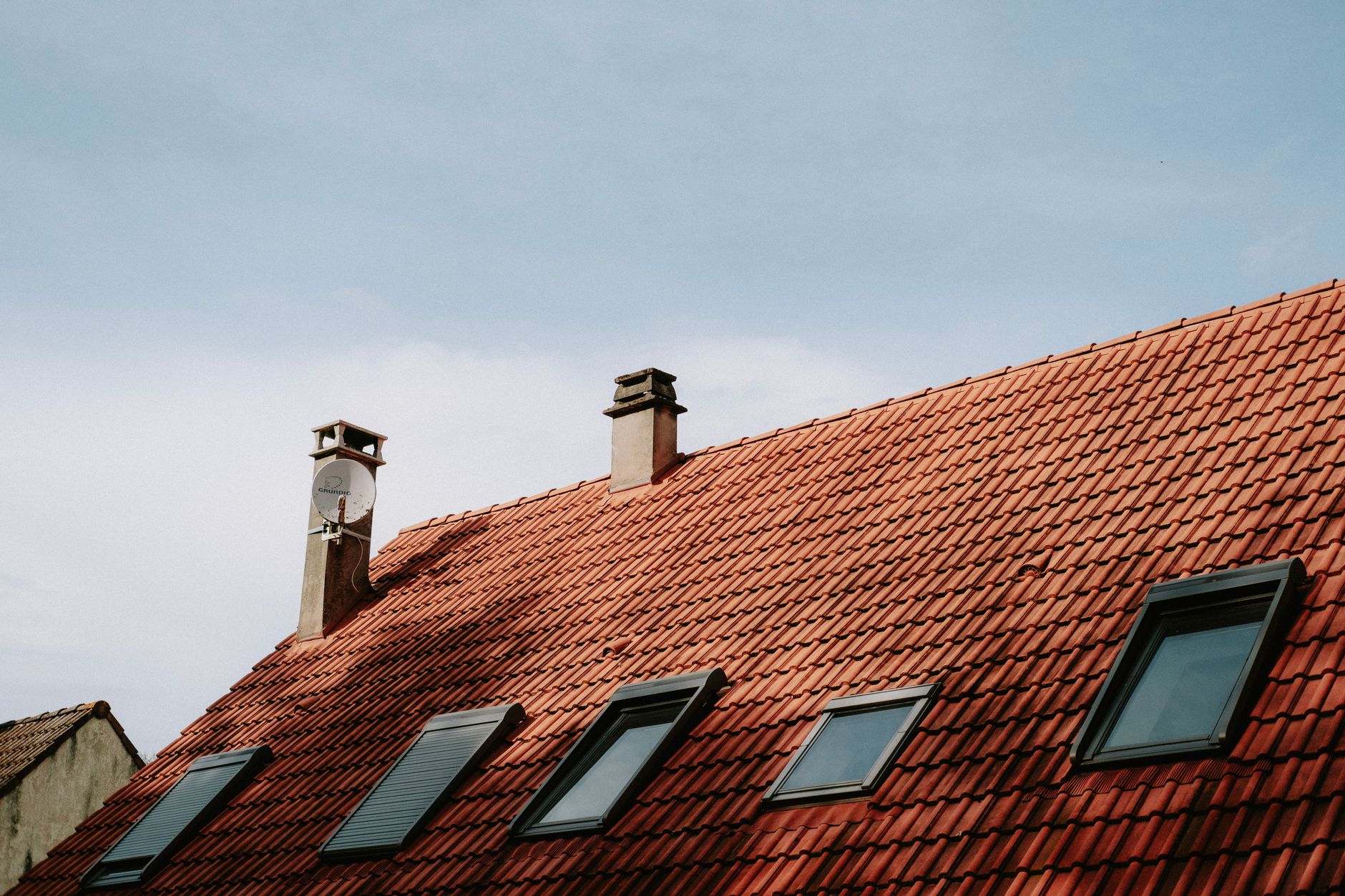
Chimney Caps Fitted to Gardena Flues
Have a Mason Look
Tell us what the chimney is doing and where. The office calls back to set a visit with a mason.
What the Job Covers
A cap only works if the crown under it is solid. Before we fasten one, we check the crown for splits and the flue tile for a clean top edge, and we tell you if either needs work first. Our caps are stainless or copper with spark mesh, sized to the tile or to the whole crown on multi-flue stacks. We price each cap once the flue is measured, and the figure goes up for a wide crown or for copper.
Fixing a Cap Without Cracking the Crown
There are two ways to hold a cap on a masonry chimney. A single-flue cap clamps onto the clay tile where it stands up through the crown, with set screws or a band. A larger cap spanning several flues, or one over a tile that barely clears the crown, sits on the crown itself and is anchored into it. Both have a mason's catch. Clay tile is brittle, and set screws driven too hard will crack it, so we tighten them by feel and check the tile for old cracks first. Anchors into a crown need sound concrete at least a couple of inches thick; drilled into a thin mortar wash, they split it and let water in at every hole. So the cap is chosen after we have looked at the crown, not before. If the crown needs work, that is done first, and the cap goes on once the new concrete has cured.
Every installed cap is quoted after we measure. A simple stainless cap on one standard round or square tile is the simplest job. A large or custom piece, a copper unit or a cap over a cluster of flues costs the most. What sets the cap price is the count of flues under the cap, whether the tile is a stock size, and whether the shape of the crown forces a custom piece. Stainless steel is what we fit most often. It does not rust in the salt air near the coast, which matters in Manhattan Beach, where painted steel caps can go brown inside a couple of years. Copper costs more and darkens to brown and then green, which some owners like on an older brick chimney. A fine ember mesh is part of every cap we fit, given how often Santa Ana season brings fire weather to this county.
What a Missing Cap Lets In
An open flue is a straight pipe into the masonry. Rain drops down it and soaks the smoke chamber and the back of the firebox, where the mortar was never meant to be wet. Over a few winters the joints soften, the damper corrodes, and the smell of wet soot drifts into the room on humid days. Birds and squirrels find the same opening, and nesting material in a flue is a fire waiting for the first cold night. A cap ends all of that by closing the top of the flue to rain and animals. It does nothing, though, for water getting in through the brick or the crown, and owners are sometimes surprised when a new cap does not cure a ceiling stain. So when we fit one, we check the crown, the tile and the brick around them too, and tell you if the water comes from somewhere a cap cannot reach.
Fitting takes a ladder, a roof walk and usually under an hour at the chimney. We measure the tile outside to outside, check its height above the crown, and look over the crown's surface for cracks and for a slope that carries water off. The cap goes on, the screen is checked for gaps, and the lid height is set so it does not choke the draft. On chimneys where an old cap rusted through, we lift off the remains and clean the rust from the tile so it does not keep bleeding down the brick. Unsure if there is a cap up there? From across the street you can usually tell: a flat metal hood with mesh sides is a cap, a bare tile poking up is not. Ask through the contact page and say how many flues you can see, and we can give you a sense of where the price will fall.
The Nugent Chimney Care Way of Working
Mortar Tested
Old joints scratched before a mix is chosen
Brick Matched
Replacement units picked for size and tone
Quote on Paper
Each repair priced before work begins
Photos at the End
Finished joints and crown photographed for you
Where we do chimney cap installation
Pick a city to read how its houses, brick and weather shape this job there.
CA
Chimney Cap Installation in Gardena
Our trowels start here. Gardena's 1950s and 1960s houses mostly wear a brick or block chimney, often with gas logs put in years later, and we strike every repointed joint to the profile the original mason left.
Open the city pageCA
Chimney Cap Installation in Compton
A chimney laid by hand in the 1920s, 30s or 40s, as many here were, tends to lose its lime mortar to sand while the brick stays sound. We grind those joints out and refill with a softer mix so the mortar, not the brick, takes the movement.
Open the city pageCA
Chimney Cap Installation in Inglewood
Renters outnumber owners, and much of the apartment stock is postwar. Where an older house here has a hearth, the flue is nearly always brick, and before relaying a loose cap course we match each replacement brick for size, texture and fired color.
Open the city pageCA
Chimney Cap Installation in Manhattan Beach
Cottages from the years after 1900 still sit in the Sand and Hill areas, while a lot of Tree Section and East Manhattan homes have grown or been replaced. When a remodel adds height, we key new brick into the old bond so the stack stays one masonry unit.
Open the city pageOther Masonry and Chimney Jobs
Chimney Sweep
Soot and glaze lifted off the flue tiles, with a mason's eye on every joint the brush passes on its way up.
Read moreChimney Inspection
A mason's read of the stack: brick faces, mortar joints, crown, flue tiles and cap, written up with photos.
Read moreChimney Repair
Mortar, brick, crown and flue tile repairs matched to the original materials, so the patch does not turn into the next failure.
Read moreFireplace Inspection
Firebox brick, refractory joints, damper frame, smoke chamber and hearth examined from the room, with photo notes.
Read moreFireplace Repair
Firebrick relaid, refractory joints renewed, hearths reset and smoke chambers parged, using heat-rated materials throughout.
Read moreChimney Level 2 Inspection
Recorded footage of each flue joint plus the brick in the attic and on the roof, for sales, quakes, fires and fuel changes.
Read moreChimney Flashing Repair
Counter flashing set into a fresh saw cut in sound mortar, step pieces woven into the roofing, and the brick above checked for leaks.
Read moreChimney Masonry Repair
Tuckpointing, brick replacement and crown work, with mortar matched to the age and hardness of your brick.
Read moreChimney Rebuilds
Failed stacks taken down to firm masonry and relaid with matched brick, new flue tile and a cast crown.
Read moreFireplace Cleaning
Firebox, hearth and brick face cleaned of ash and smoke staining, with the masonry checked for heat damage as we work.
Read moreGas Fireplace Cleaning
Burner, pilot, logs and glass cleaned on gas units, and the firebox brick or panels behind them looked over.
Read moreGas Fireplace Repair
Pilot, valve, igniter and control faults on gas fireplaces found with a meter, plus any heat damage to the masonry around them.
Read moreFireplace Remodel
Brick, stone and tile surrounds laid by masons, with hearths and mantels set to the clearances your fireplace needs.
Read moreFireplace Inserts
Wood or gas inserts fitted into a sound masonry firebox, with a stainless liner and the brick around them repaired first.
Read morePellet Stove Repair
Diagnosis for pellet stoves that refuse to light or cut out, plus the vent run and the spot where it leaves the wall.
Read moreWood Stove Repair
Baffles, firebrick, door gaskets and glass renewed on wood stoves, plus the hearth pad and flue connection checked.
Read moreGas Logs
Ceramic log sets for masonry fireplaces, with burner and valve fitted once the firebox brick and flue pass a check.
Read moreChimney Seismic Retrofit
Steel bracing, framing anchors or a lighter rebuilt top for brick chimneys that stand loose from the house.
Read moreChimney Crown Repair
Crowns recast in reinforced mortar with an overhang, or sealed while the cracks are still fine, to keep water out of the brick.
Read moreDryer Vent Cleaning
Lint cleared from the duct between dryer and wall vent, with the outside hood and its pass through the wall checked.
Read moreChimney Liner Installation
Stainless or poured liners for clay flues with cracked tiles or open joints, so heat and gas stay off the brick.
Read moreChimney Leak Repair
Water traced to its entry point in the brick, crown, cap or flashing, then the masonry repaired at the source.
Read moreChimney Waterproofing
Breathable repellent applied to cleaned, repointed brick, so rain beads off while moisture inside can still escape.
Read moreChimney Damper Repair
Throat dampers freed, rebuilt or reset in their masonry frame, or a top-mount damper fitted on the flue tile.
Read moreChimney Chase Cover
Stainless covers bent to fit framed chimneys on factory-built fireplaces, with the wood structure underneath checked for rot.
Read more