
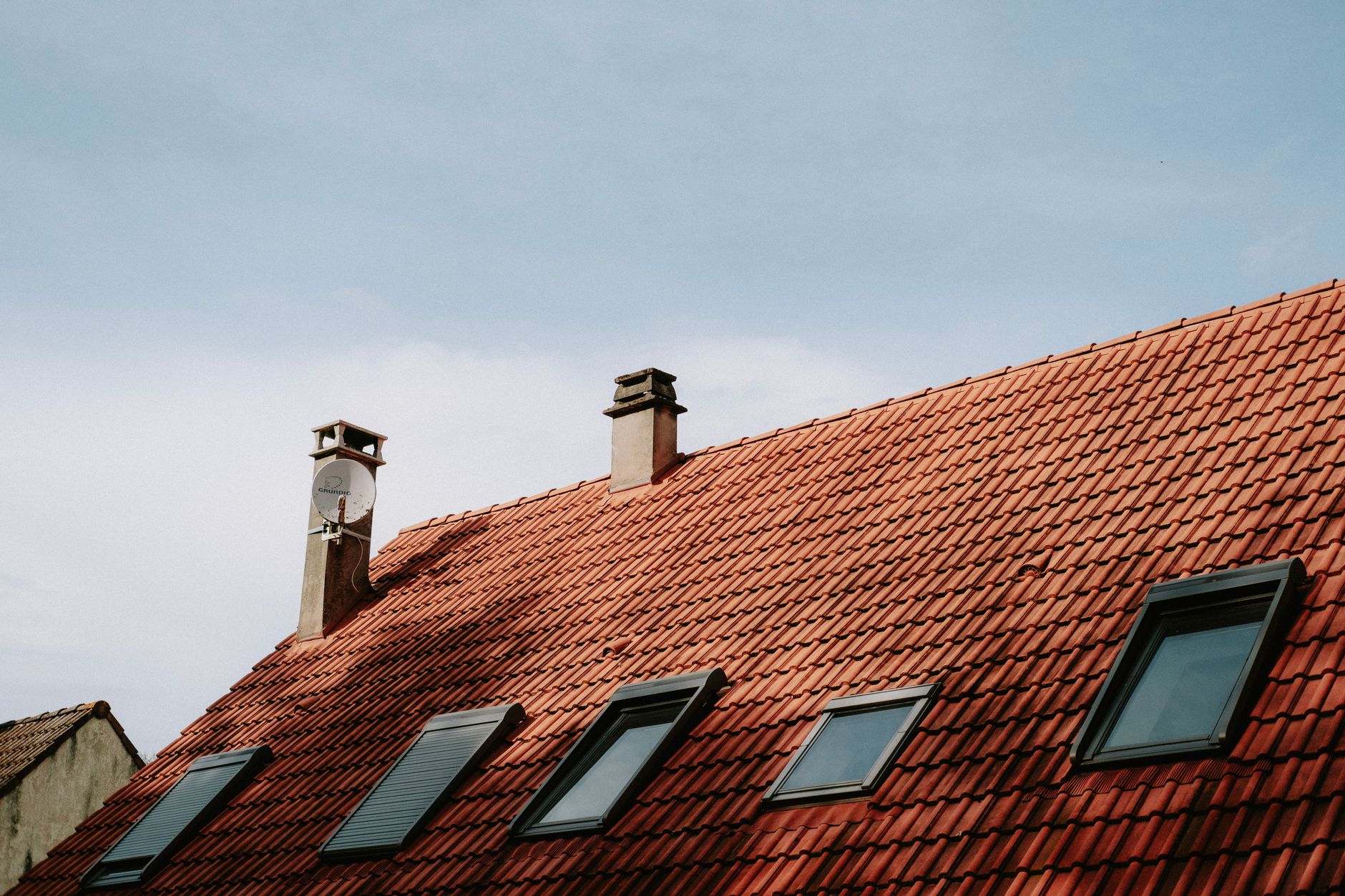
Chimney Chase Covers in Gardena
Have a Mason Look
Tell us what the chimney is doing and where. The office calls back to set a visit with a mason.
What the Job Covers
Some chimneys have no brick at all. Factory-built fireplaces sit in a wood-framed chase finished in stucco or siding, and the metal top on that frame is all that keeps rain off the framing. Galvanized tops rust through and hold standing water. We measure the chase, have a stainless cover bent to fit with a crossbreak for runoff, check the framing under it for rot, and fasten it down.
Framed Chimneys and Their Tops
A lot of South Bay condos and houses from the seventies on burn in a prefabricated metal fireplace whose flue rises inside a framed wooden box, up an outside wall or through the roof. That box is dressed on the outside in stucco, lap siding or a thin veneer of brick or stone, so from the street it can pass for masonry. The top is the weak point. It is closed with a metal pan the flue pipe passes through, and on many builder-grade chimneys that pan is thin galvanized steel. Sun and rain break down its coating, salt air near the coast speeds that up, and the steel rusts. Many pans also sag in the middle, so water pools and works through the rust holes and the seams. Once that happens, rain drips straight into the box, onto the studs and the insulation, and often down onto the fireplace unit itself.
The signs show up outside before they show up inside. A brown streak running down the stucco or siding from the top of the chase, rust you can see from the ground, a top that has visibly dished, or paint flaking at the top of the box are early warnings. Inside, a damp smell from the fireplace after rain, water on the firebox floor, rust on the top of the metal firebox, or a stain on the wall or ceiling near the chase mean water has been getting in for a while. The veneer chases matter to us as masons: where thin brick or stone covers the box, water behind it loosens the adhered units and the mortar joints, and those need resetting once the top is dry. Our visit looks at the cover, the flue cap and its collar, the framing as far as we can see it, and any veneer or stucco damage near the top.
Replacing the Cover and the Damage Under It
Each replacement is cut from sheet in the shop to dimensions taken on the roof. Stainless suits most chases; copper is there for owners who want it, and both outlast galvanized steel by a wide margin in the salt air of Manhattan Beach. We shape the top so nothing can pond on it, stiffen it so it will not sag again under a worker's knee, and fold the edges down past the top of the cladding with a kick at the bottom. The hole is cut to the pipe already there; the original collar and cap are reused if sound, otherwise replaced with parts listed for that flue. Fixings go in through the sides, never the top. Before any of that, the framing at the top of the box is opened up and any soft wood is cut out and replaced, since a new top screwed to rotten plywood will not stay put through a windy winter.
Water damage under a failed top varies a lot. Sometimes the plywood and a few inches of stud are soft; sometimes rot has run down the box and into the wall, and the insulation and the top of the metal fireplace are wet. We open up as much as we need to reach sound wood, explain what we found, and price the framing and any stucco or veneer repair before going further. On veneered chases, loosened thin brick or stone is reset in a mortar suited to the backing, and joints are pointed to match. A chase cover has no set price on this site, but the written figure separates the cover, the framing and the cladding, so you can see what the rust cost and what the new top costs. If the factory-built fireplace itself has taken years of water, we look at it too and tell you whether it is safe to use.
The Nugent Chimney Care Way of Working
Mortar Tested
Old joints scratched before a mix is chosen
Brick Matched
Replacement units picked for size and tone
Quote on Paper
Each repair priced before work begins
Photos at the End
Finished joints and crown photographed for you
Where we do chimney chase cover
Pick a city to read how its houses, brick and weather shape this job there.
No such city on our list. Search the one beside it.
Other Masonry and Chimney Jobs
Chimney Sweep
Soot and glaze lifted off the flue tiles, with a mason's eye on every joint the brush passes on its way up.
Read moreChimney Inspection
A mason's read of the stack: brick faces, mortar joints, crown, flue tiles and cap, written up with photos.
Read moreChimney Repair
Mortar, brick, crown and flue tile repairs matched to the original materials, so the patch does not turn into the next failure.
Read moreFireplace Inspection
Firebox brick, refractory joints, damper frame, smoke chamber and hearth examined from the room, with photo notes.
Read moreFireplace Repair
Firebrick relaid, refractory joints renewed, hearths reset and smoke chambers parged, using heat-rated materials throughout.
Read moreChimney Level 2 Inspection
Recorded footage of each flue joint plus the brick in the attic and on the roof, for sales, quakes, fires and fuel changes.
Read moreChimney Cap Installation
Stainless or copper caps fastened to a sound crown, so the hood keeps water off the tile and the brick beneath it.
Read moreChimney Flashing Repair
Counter flashing set into a fresh saw cut in sound mortar, step pieces woven into the roofing, and the brick above checked for leaks.
Read moreChimney Masonry Repair
Tuckpointing, brick replacement and crown work, with mortar matched to the age and hardness of your brick.
Read moreChimney Rebuilds
Failed stacks taken down to firm masonry and relaid with matched brick, new flue tile and a cast crown.
Read moreFireplace Cleaning
Firebox, hearth and brick face cleaned of ash and smoke staining, with the masonry checked for heat damage as we work.
Read moreGas Fireplace Cleaning
Burner, pilot, logs and glass cleaned on gas units, and the firebox brick or panels behind them looked over.
Read moreGas Fireplace Repair
Pilot, valve, igniter and control faults on gas fireplaces found with a meter, plus any heat damage to the masonry around them.
Read moreFireplace Remodel
Brick, stone and tile surrounds laid by masons, with hearths and mantels set to the clearances your fireplace needs.
Read moreFireplace Inserts
Wood or gas inserts fitted into a sound masonry firebox, with a stainless liner and the brick around them repaired first.
Read morePellet Stove Repair
Diagnosis for pellet stoves that refuse to light or cut out, plus the vent run and the spot where it leaves the wall.
Read moreWood Stove Repair
Baffles, firebrick, door gaskets and glass renewed on wood stoves, plus the hearth pad and flue connection checked.
Read moreGas Logs
Ceramic log sets for masonry fireplaces, with burner and valve fitted once the firebox brick and flue pass a check.
Read moreChimney Seismic Retrofit
Steel bracing, framing anchors or a lighter rebuilt top for brick chimneys that stand loose from the house.
Read moreChimney Crown Repair
Crowns recast in reinforced mortar with an overhang, or sealed while the cracks are still fine, to keep water out of the brick.
Read moreDryer Vent Cleaning
Lint cleared from the duct between dryer and wall vent, with the outside hood and its pass through the wall checked.
Read moreChimney Liner Installation
Stainless or poured liners for clay flues with cracked tiles or open joints, so heat and gas stay off the brick.
Read moreChimney Leak Repair
Water traced to its entry point in the brick, crown, cap or flashing, then the masonry repaired at the source.
Read moreChimney Waterproofing
Breathable repellent applied to cleaned, repointed brick, so rain beads off while moisture inside can still escape.
Read moreChimney Damper Repair
Throat dampers freed, rebuilt or reset in their masonry frame, or a top-mount damper fitted on the flue tile.
Read more