
Chimney Rebuilds in Gardena From Sound Brick Up
Have a Mason Look
Tell us what the chimney is doing and where. The office calls back to set a visit with a mason.
What the Job Covers
When brick lifts out by hand above the roof, or the stack leans away from the house, repointing will not hold it. We take the chimney down until the masonry is firm, save brick that is still good, and relay it with matched units, new flue tile and steel where the design calls for it. A cast crown with an overhang finishes it. Rebuilds are priced in writing after inspection; permits are pulled where the city requires them.
Deciding How Far Down to Go
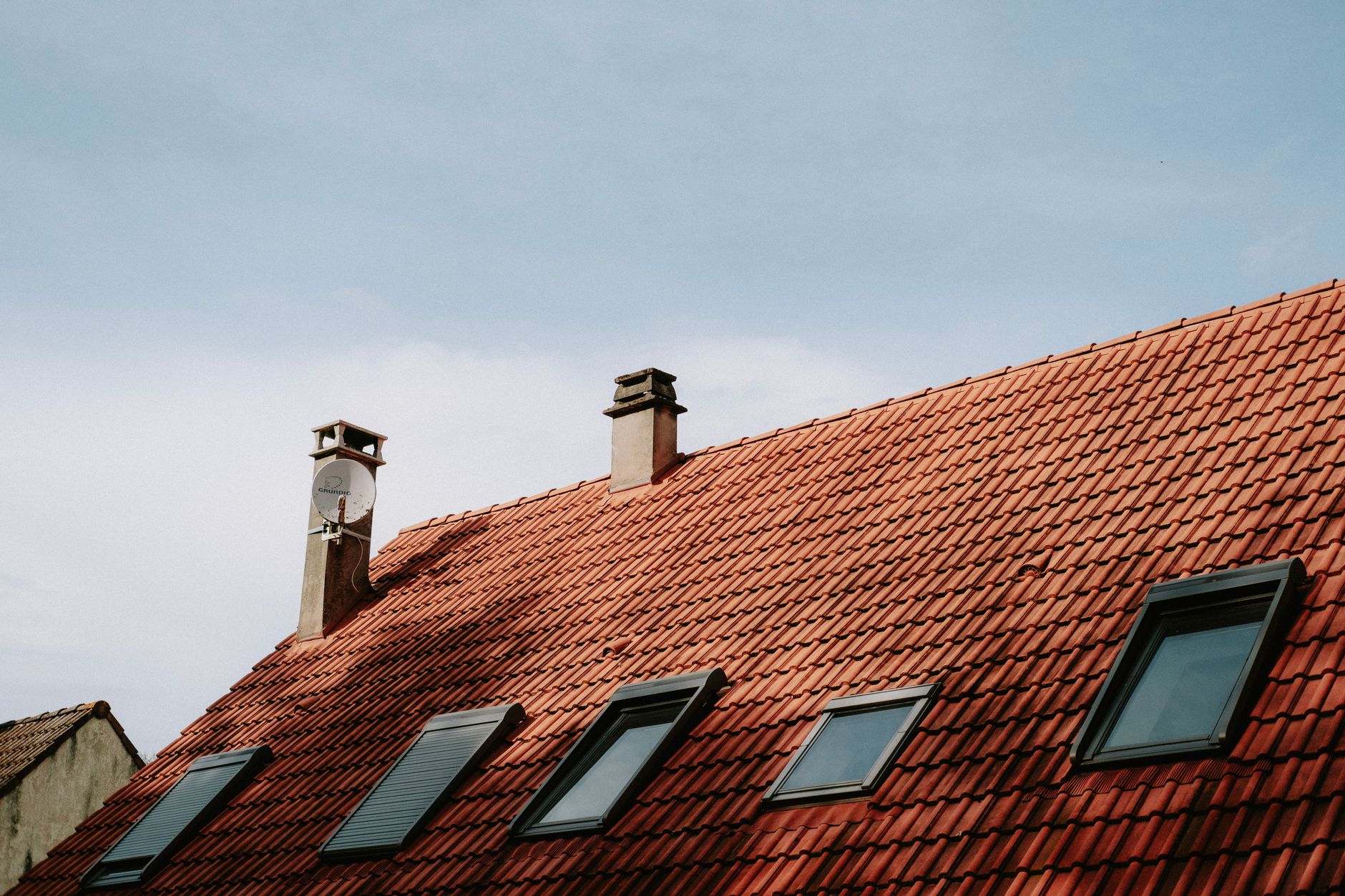
A rebuild starts with a judgment about where good masonry begins. Above the roofline a chimney takes the worst of the weather and the worst of any quake, because it is a tall weight with nothing around it to brace it. That is where we usually find the trouble: bricks that lift out by hand, joints with no bond left, a crack that runs through the brick rather than around it, or a stack that has twisted on its base. Below the roof the same chimney is often sound, held by the house and kept dry. So we dismantle from the top, brick by brick, and stop when the mortar starts to hold, the brick rings when tapped and the courses sit level. On many houses here that point is a few courses below the roofline, so the work usually stops well short of the ground. Now and then the damage runs down into the attic or the whole stack has tipped off plumb, and then the rebuild goes further.
Before any brick comes off, you have a written scope from a roof visit and, where the hatch allows, a look from the attic. It names the line we expect to dismantle to, the share of old brick we think will clean up for reuse, the new brick we would order to make up the rest, the mortar type, and what finishes the top. Bond inside a wall cannot be seen until the wall is opened, so the scope also covers the case where the solid courses sit lower than we judged: work pauses at that line and the extra depth is priced with you before it goes ahead. While the chimney is open, the roof around it is covered, the flue is closed off at the end of each day, and debris goes down in buckets on a line rather than down a chute onto the plants. Roofing at the base is lifted only as far as the new flashing needs and closed again before we leave the roof.
Laying It Back So It Lasts
The relaid chimney should look like the old one and outperform it. Reused brick is cleaned of old mortar by hand and sorted, and the damaged ones are set aside. New brick is matched in size first, then color, and blended through the courses so it does not form a band. The mortar is chosen to suit the brick, softer for old soft brick, and every joint is filled solid and tooled. Clay flue tile is set as the stack rises, with each tile joint mortared and an air space kept between tile and brick so heat in the tile does not crack the wall. Where the design calls for it, steel reinforcing and ties to the house framing go in as the courses rise, which matters in a county that has had strong quakes and will have more. The top is a new crown cast in concrete, with an overhang and a drip groove, and a cap goes on once it has cured.
Owners usually come to us for a rebuild after something has happened. A quake loosens the top of the stack; the 1987 and 1994 shakes left many chimneys around Los Angeles County cracked at the roofline, and some that looked fine have been working loose since. A roofer replacing shingles finds bricks that lift out by hand and refuses to flash against them. A home inspector flags a leaning chimney during a sale. Or years of water through a failed crown have turned the top courses to rubble. In each case the question is the same: is there enough sound masonry to repair, or does the stack have to come down to solid courses? Our inspection answers that. If repointing and a new crown will do, we say so and price that instead. If it is past that, the rebuild is also the moment to ask whether to strengthen the chimney, take it lower, or both, which our seismic retrofit page covers.
The Nugent Chimney Care Way of Working
Mortar Tested
Old joints scratched before a mix is chosen
Brick Matched
Replacement units picked for size and tone
Quote on Paper
Each repair priced before work begins
Photos at the End
Finished joints and crown photographed for you
Where we do chimney rebuilds
Pick a city to read how its houses, brick and weather shape this job there.
CA
Chimney Rebuilds in Gardena
Our trowels start here. Gardena's 1950s and 1960s houses mostly wear a brick or block chimney, often with gas logs put in years later, and we strike every repointed joint to the profile the original mason left.
Open the city pageCA
Chimney Rebuilds in Compton
A chimney laid by hand in the 1920s, 30s or 40s, as many here were, tends to lose its lime mortar to sand while the brick stays sound. We grind those joints out and refill with a softer mix so the mortar, not the brick, takes the movement.
Open the city pageCA
Chimney Rebuilds in Inglewood
Renters outnumber owners, and much of the apartment stock is postwar. Where an older house here has a hearth, the flue is nearly always brick, and before relaying a loose cap course we match each replacement brick for size, texture and fired color.
Open the city pageCA
Chimney Rebuilds in Manhattan Beach
Cottages from the years after 1900 still sit in the Sand and Hill areas, while a lot of Tree Section and East Manhattan homes have grown or been replaced. When a remodel adds height, we key new brick into the old bond so the stack stays one masonry unit.
Open the city pageOther Masonry and Chimney Jobs
Chimney Sweep
Soot and glaze lifted off the flue tiles, with a mason's eye on every joint the brush passes on its way up.
Read moreChimney Inspection
A mason's read of the stack: brick faces, mortar joints, crown, flue tiles and cap, written up with photos.
Read moreChimney Repair
Mortar, brick, crown and flue tile repairs matched to the original materials, so the patch does not turn into the next failure.
Read moreFireplace Inspection
Firebox brick, refractory joints, damper frame, smoke chamber and hearth examined from the room, with photo notes.
Read moreFireplace Repair
Firebrick relaid, refractory joints renewed, hearths reset and smoke chambers parged, using heat-rated materials throughout.
Read moreChimney Level 2 Inspection
Recorded footage of each flue joint plus the brick in the attic and on the roof, for sales, quakes, fires and fuel changes.
Read moreChimney Cap Installation
Stainless or copper caps fastened to a sound crown, so the hood keeps water off the tile and the brick beneath it.
Read moreChimney Flashing Repair
Counter flashing set into a fresh saw cut in sound mortar, step pieces woven into the roofing, and the brick above checked for leaks.
Read moreChimney Masonry Repair
Tuckpointing, brick replacement and crown work, with mortar matched to the age and hardness of your brick.
Read moreFireplace Cleaning
Firebox, hearth and brick face cleaned of ash and smoke staining, with the masonry checked for heat damage as we work.
Read moreGas Fireplace Cleaning
Burner, pilot, logs and glass cleaned on gas units, and the firebox brick or panels behind them looked over.
Read moreGas Fireplace Repair
Pilot, valve, igniter and control faults on gas fireplaces found with a meter, plus any heat damage to the masonry around them.
Read moreFireplace Remodel
Brick, stone and tile surrounds laid by masons, with hearths and mantels set to the clearances your fireplace needs.
Read moreFireplace Inserts
Wood or gas inserts fitted into a sound masonry firebox, with a stainless liner and the brick around them repaired first.
Read morePellet Stove Repair
Diagnosis for pellet stoves that refuse to light or cut out, plus the vent run and the spot where it leaves the wall.
Read moreWood Stove Repair
Baffles, firebrick, door gaskets and glass renewed on wood stoves, plus the hearth pad and flue connection checked.
Read moreGas Logs
Ceramic log sets for masonry fireplaces, with burner and valve fitted once the firebox brick and flue pass a check.
Read moreChimney Seismic Retrofit
Steel bracing, framing anchors or a lighter rebuilt top for brick chimneys that stand loose from the house.
Read moreChimney Crown Repair
Crowns recast in reinforced mortar with an overhang, or sealed while the cracks are still fine, to keep water out of the brick.
Read moreDryer Vent Cleaning
Lint cleared from the duct between dryer and wall vent, with the outside hood and its pass through the wall checked.
Read moreChimney Liner Installation
Stainless or poured liners for clay flues with cracked tiles or open joints, so heat and gas stay off the brick.
Read moreChimney Leak Repair
Water traced to its entry point in the brick, crown, cap or flashing, then the masonry repaired at the source.
Read moreChimney Waterproofing
Breathable repellent applied to cleaned, repointed brick, so rain beads off while moisture inside can still escape.
Read moreChimney Damper Repair
Throat dampers freed, rebuilt or reset in their masonry frame, or a top-mount damper fitted on the flue tile.
Read moreChimney Chase Cover
Stainless covers bent to fit framed chimneys on factory-built fireplaces, with the wood structure underneath checked for rot.
Read more